
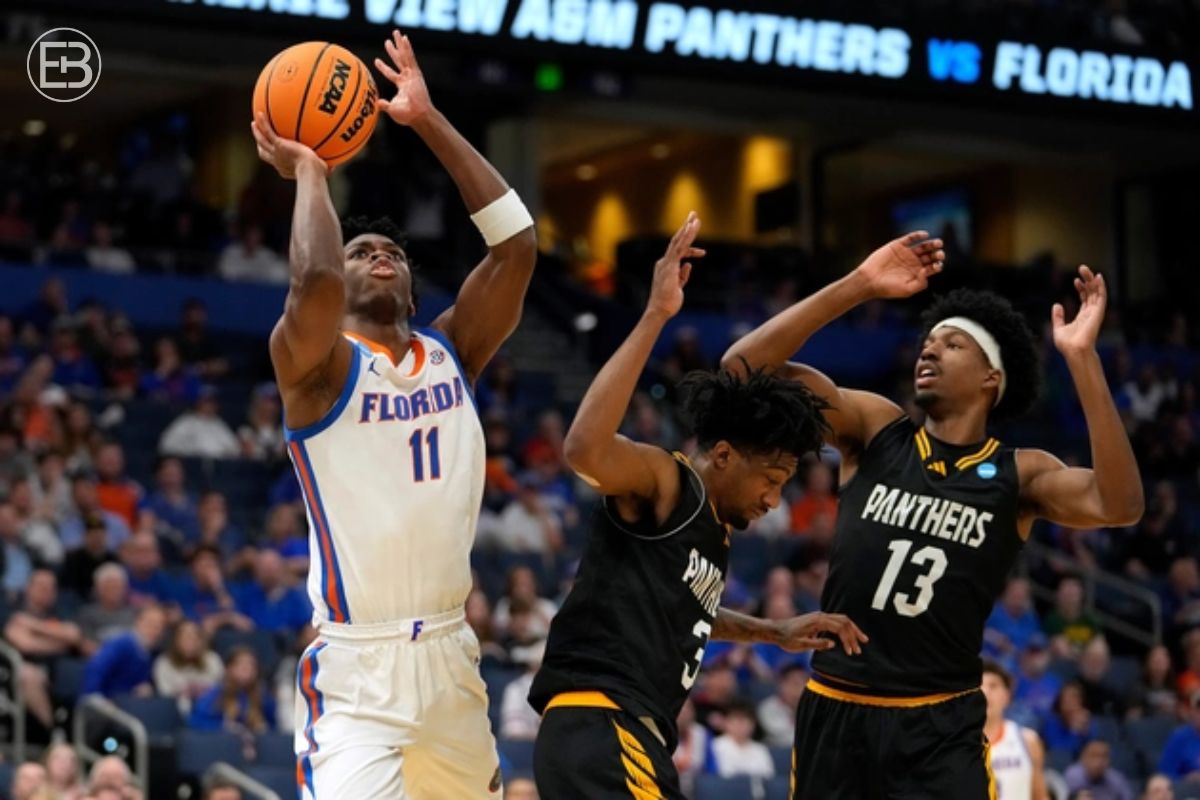
Florida is preparing for an uncertain future in college athletics as it grapples with the possibility of federal intervention either through Congress or potential executive action from former President Donald Trump while the broader system remains in flux.
In response, state university leaders on Monday announced the formation of a task force on intercollegiate athletics. Their immediate priority is to urge Congress to approve an antitrust exemption that would bring structure to student-athlete endorsement deals and offer legal protections to institutions navigating the increasingly complex Name, Image, and Likeness (NIL) landscape. Yet, with lawmakers in Washington at a standstill and no clear indication of federal action, Florida is also moving ahead with contingency plans at the state level.
These efforts aim to establish guardrails for universities that are now spending millions to remain competitive in top-tier athletics. Alan Levine, chair of the Board of Governors, underscored the need for caution. While institutions must adapt to remain relevant, he stressed that they also carry a fiduciary duty to protect their long-term integrity and values, rather than chasing short-term financial gains that could later prove detrimental.
Florida’s position is somewhat unique. The state oversees several major public universities within a unified system, each boasting significant athletic programs. This centralized structure has allowed leaders to respond more cohesively to sweeping changes triggered by the House v. NCAA settlement, which effectively launched the NIL era and permitted direct payments to student-athletes.
To keep pace, the Board of Governors previously approved a temporary measure allowing universities to redirect millions of dollars into athletic departments that historically operated as self-sustaining entities. However, the financial pressures are mounting. With other states and institutions investing heavily and private equity firms beginning to enter the space there is growing concern that Florida risks falling behind if it does not act decisively.
Universities are actively seeking new revenue streams, including jersey sponsorships, naming rights, and expanded corporate partnerships. Still, as University of Florida Athletic Director Scott Stricklin noted, these avenues have natural limits. Once exhausted, institutions may be forced to identify entirely new funding sources to sustain their programs.
Stricklin also pointed to a deeper structural issue: college athletics is a zero-sum environment where nonprofit institutions compete fiercely against one another. In such a system, financial restraint becomes nearly impossible. The drive to win ensures that if resources are available, they will be spent making cost control an ongoing and perhaps unattainable challenge.