
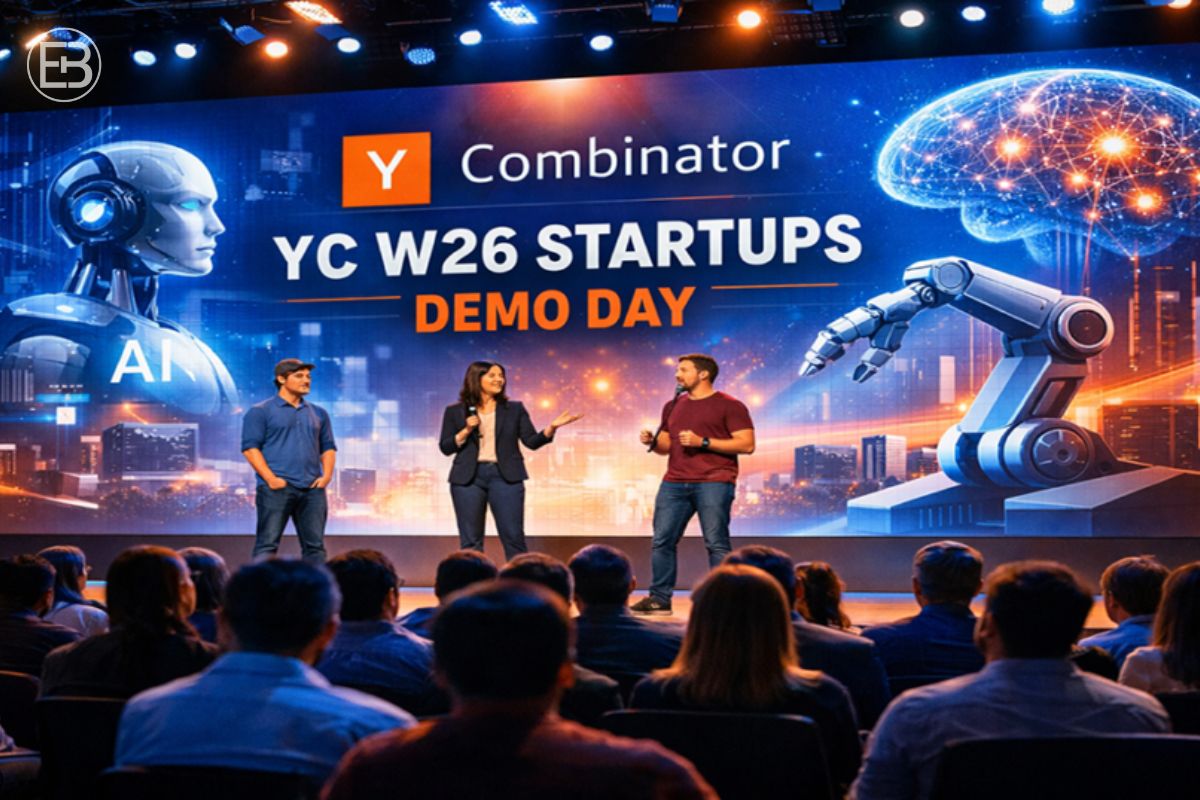
Artificial intelligence once again dominated the spotlight at Y Combinator’s Winter 2026 Demo Day, where nearly 190 startups ներկայացd their ideas across sectors ranging from healthcare to transportation and law. Instead of a traditional live event, this year’s presentations were released as individual videos shortly after each pitch, making it a sprawling but accessible showcase. After reviewing the full cohort and diving deeper into selected presentations, a smaller group of 16 startups emerged as particularly compelling for their ambition, originality, and real-world relevance.
One standout was ARC Prize Foundation, a rare nonprofit in the YC ecosystem. Its mission is to create benchmarks that measure progress toward artificial general intelligence (AGI). With major players like OpenAI already using similar evaluation frameworks, the foundation aims to accelerate open-source AGI research through competitions and grants. As industry leaders like Jensen Huang suggest that AGI may already be within reach, tools that track its development could become historically significant.
Several startups focused on robotics and human-machine interaction. Asimov, for instance, collects video data of human movement from global contributors to train humanoid robots. The idea is to make robots move more naturally and perform tasks with human-like fluidity. Meanwhile, Button Computer is betting on the future of wearable AI, offering a compact device that integrates with platforms like Slack and Salesforce, enabling users to manage workflows through voice commands.
In more niche industries, Avoice is tackling inefficiencies in architecture by automating tedious processes like reviewing contracts and technical documents. Librar Labs is bringing similar innovation to libraries, offering AI-powered systems to streamline cataloging and inventory management, particularly for schools.
Creative and consumer-focused ideas also stood out. CodeWisp allows users to build video games simply by describing them to an AI, lowering the barrier to entry for aspiring creators. Doomersion takes a different approach to engagement, turning endless social media scrolling into a language-learning experience by presenting short-form videos in a target language.
Security and risk management were recurring themes. Crosslayer Labs helps businesses detect spoofed websites, addressing a growing threat fueled by AI-generated scams. Lexius enhances existing surveillance systems with AI capabilities to detect incidents like theft or accidents in real time. MouseCat, on the other hand, focuses on fraud detection by analyzing large-scale data from cloud platforms and recommending actionable responses.
In healthcare, Opalite Health aims to bridge language gaps between doctors and patients using AI-powered translation tools. While not entirely novel, the solution addresses a critical need in diverse populations where communication barriers can directly impact care outcomes.
Other startups explored infrastructure and defense. Milliray is developing radar systems to detect small drones, a growing concern in modern security landscapes. Terranox AI is using artificial intelligence to locate uranium deposits, positioning itself within the broader push for nuclear energy to support expanding data center demands.
Financial and data platforms also made an appearance. Sequence Markets offers a unified interface for trading across crypto and prediction markets, simplifying a fragmented experience. ShoFo is building a massive, organized video library designed to help AI labs access diverse datasets more efficiently.
Finally, Sonarly is focused on software reliability, creating systems that can automatically detect, diagnose, and even fix production issues with minimal human intervention. As software ecosystems grow more complex, such automation could become essential.
Taken together, this year’s cohort reflects a clear trend: AI is no longer just a feature, it’s the foundation. From infrastructure to creativity, these startups illustrate how deeply embedded artificial intelligence has become in shaping the next wave of innovation.